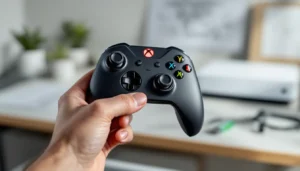
In the epic showdown of gaming consoles, two titans stand tall: Xbox One and PS4. Both promise thrilling adventures and endless hours of entertainment, but which one truly deserves a spot in your living room? It’s like choosing between pizza and tacos—both are delicious, but sometimes you just want one over the other.
Overview of Xbox One and PS4
The Xbox One and PS4 stand as two major players in the gaming console market. Microsoft developed the Xbox One, while Sony is behind the PS4. Both systems offer a range of features appealing to different gaming preferences.
In terms of hardware, the PS4 generally has superior graphical capabilities, providing enhanced visuals in various games. The Xbox One focuses on a comprehensive multimedia experience, integrating live television and streaming services seamlessly. Both consoles have distinct exclusive titles that influence gamers’ choices.
The Xbox One boasts popular franchises like “Halo” and “Gears of War.” Conversely, the PS4 attracts players with exclusive games such as “Spider-Man” and “The Last of Us Part II.” Gamers often consider these exclusives when deciding on a console.
Online services vary between the two platforms. Xbox Live offers a well-established, stable online experience, while PlayStation Network features extensive free-to-play options. Both services charge a subscription fee for premium features, enhancing multiplayer gameplay.
User interfaces differ significantly. The Xbox One prioritizes customization and quick access to applications, while the PS4 emphasizes simplicity and ease of use. These design choices impact how users navigate through games and apps.
Storage options are essential to gamers. The Xbox One provides a variety of models with expandable storage capabilities. The PS4, while offering limited internal options, allows for an external hard drive connection for added space.
Ultimately, selecting between the Xbox One and PS4 involves weighing various factors, including exclusive games, online services, hardware performance, and user experience. Each console has unique strengths, appealing to different gaming communities.
Performance Comparison

Performance plays a critical role in evaluating the Xbox One and PS4. Key aspects like graphics, resolution, and load times significantly influence the gaming experience.
Graphics and Resolution
Graphics quality greatly impacts gameplay immersion. The PS4 excels in graphical capabilities, often delivering 1080p resolution with enhanced visual effects. Games like “Spider-Man” showcase detailed environments and fluid animations. Meanwhile, the Xbox One maintains high-quality graphics, supporting similar resolutions but sometimes falls short in frame rates. Performance varies slightly between models, with the Xbox One X offering 4K gaming and improved graphical fidelity. This advantage positions the PS4 as the go-to choice for players prioritizing stunning visuals.
Load Times
Load times can affect overall user experience. The PS4 often demonstrates faster load times due to its efficient architecture. Many titles load in less than 30 seconds. Comparatively, the Xbox One’s load times can stretch beyond this, with some games taking longer to start. Both consoles improved performance with updates, but the PS4 generally appears more optimized for rapid access. Players seeking quicker transitions appreciate the PS4’s advantages in this area.
Game Library
A robust game library distinguishes the Xbox One from the PS4. Both consoles attract gamers with a unique selection of exclusive titles and backward compatibility features.
Exclusive Titles
Exclusive games significantly influence the choice between these two consoles. The Xbox One showcases franchises like “Halo,” “Gears of War,” and “Forza,” appealing to fans of action, shooting, and racing games. In contrast, the PS4 garners attention with critically acclaimed titles such as “Spider-Man,” “God of War,” and “The Last of Us Part II,” which highlight storytelling and immersive gameplay. Gamers often select a console based on these exclusive experiences, making this aspect crucial in their decision-making process.
Backward Compatibility
Backward compatibility offers an additional layer of consideration for potential buyers. Xbox One supports a wide array of Xbox 360 and original Xbox titles, allowing players to enjoy classic games without needing to purchase additional hardware. Comparatively, the PS4 offers limited backward compatibility, accommodating select PS2 and PS3 games via a streaming service. While the backward compatibility of the Xbox One enhances its attractiveness for nostalgia-driven players, the PS4 focuses on newer innovations, appealing to those who prefer current-gen experiences.
User Experience
User experience plays a critical role in the choice between Xbox One and PS4. Each console offers unique features that cater to diverse gaming preferences.
Interface and Usability
Xbox One’s interface emphasizes customization and quick access to applications and games. Users enjoy the flexibility of pinning favorite content for easy navigation. Meanwhile, PS4’s simple layout provides a straightforward approach, prioritizing ease of use for gamers. Interface complexity doesn’t hinder the PS4; it encourages accessibility for newcomers. Both systems allow for significant navigation differences, which impact user satisfaction.
Online Services
Online services differ substantially between the two platforms. Xbox Live delivers a consistently stable experience, attracting gamers seeking reliable online gaming. In contrast, PlayStation Network offers extensive free-to-play options, appealing to budget-conscious users. Xbox Live’s membership includes free games each month, enhancing its value. PSN focuses on community features, fostering social interaction among players. The choice between these services reflects individual priorities, from gaming stability to community engagement.
Price and Value
Price plays a crucial role in the decision between the Xbox One and PS4. Xbox One models range from $299 to $499, influenced by storage options and bundles. Standard PS4 pricing starts around $299, with the PS4 Pro reaching up to $399. The price difference between these consoles impacts consumer choices, depending on budget constraints and desired features.
Value goes beyond just the initial purchase price. Gamers often consider exclusives and online services when assessing overall worth. Exclusive titles significantly affect perceived value, with Xbox One boasting franchises like “Halo” and “Gears of War,” while PS4 presents critically acclaimed games such as “The Last of Us Part II” and “Spider-Man.” One console might appeal more to action fans, while the other attracts those who value narrative-driven experiences.
Long-term cost implications matter as well. Xbox Live subscriptions cost around $60 annually, providing access to multiplayer gameplay and exclusive discounts. On the other hand, PlayStation Plus, also about $60 per year, offers similar benefits, including free monthly games and cloud storage. The added value from these services can influence gamers’ decisions over time.
Consideration of storage options is essential for both consoles. Xbox One presents various models with expandable storage, allowing up to 8TB with external drives. Comparatively, PS4 supports external hard drives, providing flexibility for users managing large game libraries. Gamers looking for ample storage space might lean toward the console with more options.
Both consoles carry unique pricing and value propositions. An informed evaluation of hardware, exclusive games, online services, and storage capabilities empowers consumers to choose the console that best fits their gaming needs and budget.
Conclusion
Choosing between the Xbox One and PS4 ultimately comes down to personal preferences and gaming priorities. Each console offers unique strengths that cater to different types of gamers. The PS4 shines with its impressive graphics and exclusive narrative-driven titles, making it ideal for those who value immersive storytelling.
On the other hand, the Xbox One excels in multimedia capabilities and backward compatibility, appealing to players who appreciate a broader entertainment experience. With various pricing options and subscription services, both consoles present solid value for their respective audiences.
Ultimately, understanding individual gaming needs will guide consumers to the right choice, ensuring an enjoyable gaming experience for years to come.