In the realm of gaming, few titles have left as lasting an impression as Final Fantasy 7 on the original PlayStation. Released in 1997, this epic RPG whisked players away on a wild ride through a world filled with unforgettable characters, jaw-dropping plot twists, and a villain so iconic he could probably run for president. And let’s not forget the unforgettable soundtrack that still haunts the dreams of gamers everywhere.
As players navigated the sprawling landscapes of Gaia, they discovered a rich tapestry of storytelling that combined fantasy and technology in a way that felt revolutionary. With its turn-based combat and elaborate materia system, Final Fantasy 7 didn’t just set the stage for future RPGs; it practically built the stage, hired the actors, and threw in a few chocobos for good measure. Dive into this nostalgic journey and see why this classic still reigns supreme in the hearts of gamers today.
Overview of Final Fantasy 7
Final Fantasy 7, launched in 1997 for the PlayStation 1, revolutionized the role-playing game genre. Its engaging narrative captivated players through a rich blend of fantasy and technology. Characters such as Cloud Strife and Sephiroth instantly became iconic figures within the gaming community. The story explores themes of identity, friendship, and environmentalism, enhancing emotional connections among players.
Notably, the game’s turn-based combat introduced the innovative materia system. This feature allowed players to customize abilities and magic, tailoring character growth to individual styles. The strategic depth of battles marked a shift in RPG mechanics, influencing many subsequent titles.
Music composed by Nobuo Uematsu complemented the experience, with tracks that left lasting impressions. The soundtrack featured memorable pieces like “One-Winged Angel,” which became synonymous with the game’s intensity. Visual storytelling harnessed stunning pre-rendered backgrounds and character designs, showcasing the technological capabilities of the PlayStation 1.
Critical acclaim went hand in hand with commercial success. Final Fantasy 7 sold over 12 million copies, establishing it as one of the best-selling games in history. Its legacy persists through remakes and spin-offs, igniting interest in both new and returning fans. The game’s impact continues to influence game design and narrative structures in modern RPGs, ensuring Final Fantasy 7 remains a touchstone in gaming history.
Gameplay Mechanics
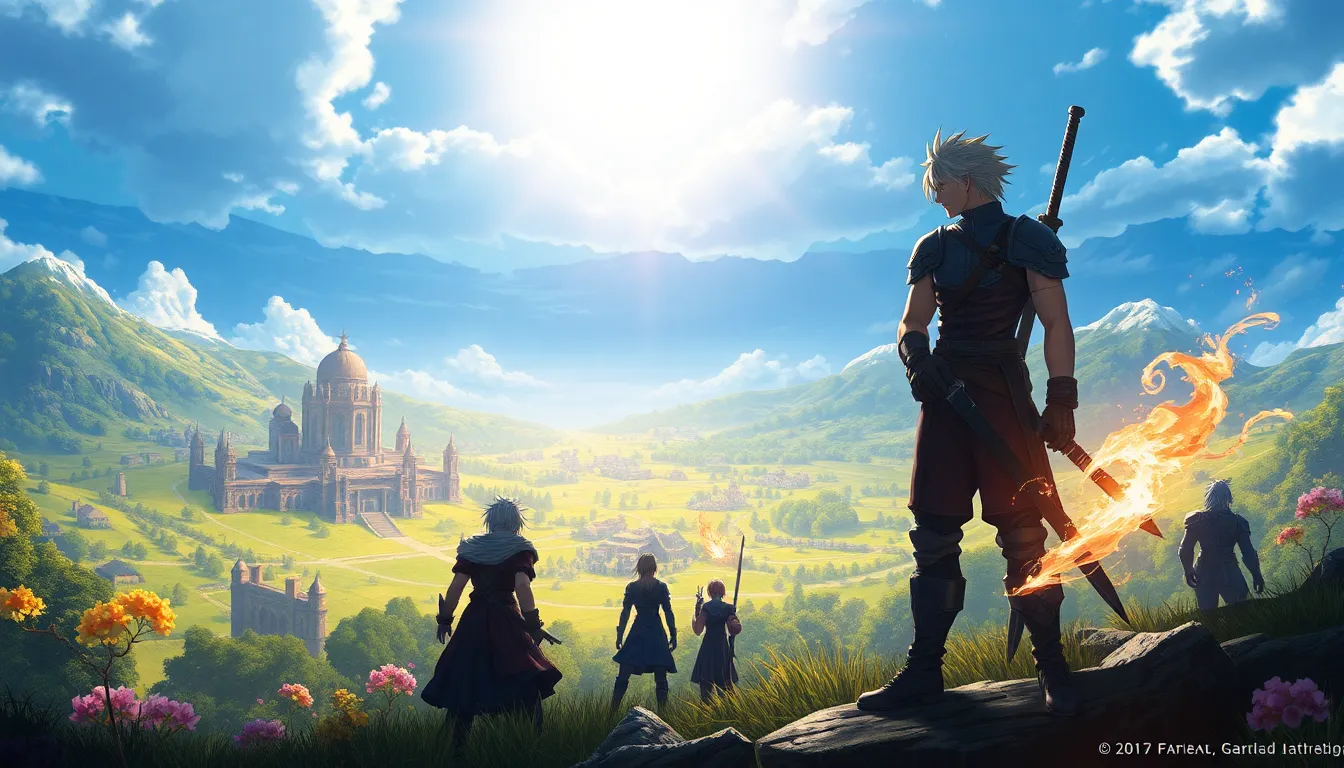
Final Fantasy 7 features innovative gameplay mechanics that enhanced the RPG experience on the PlayStation 1. Central to this experience is the game’s deep combat system and expansive world.
Combat System
The turn-based combat system drives player engagement. Players select actions for characters in a strategic manner. Each character possesses unique abilities, and the Active Time Battle (ATB) system adds real-time elements. Charging the ATB gauge allows players to execute special moves or spells. The materia system introduces a layer of customization. By equipping materia, players gain access to a variety of spells and abilities, enhancing strategy during battles. Boss fights often require creative tactics, highlighting the game’s depth and challenge.
Exploration and World-Building
Exploration plays a crucial role in immersing players in the game’s rich narrative. The world of Gaia is expansive, featuring diverse environments from bustling cities to tranquil forests. Players discover hidden locations, items, and secrets that deepen the gameplay experience. Interactive NPCs provide lore and context, enriching the story. Side quests and mini-games contribute additional layers to the adventure. This combination of exploration and storytelling fosters an emotional connection to the characters and the world, ensuring a lasting impact on players.
Story and Characters
Final Fantasy 7 weaves a rich narrative filled with complex themes and memorable characters. Players embark on an epic journey that revolves around the struggle against the corrupt Shinra Electric Power Company and the enigmatic Sephiroth.
Main Plot Summary
The story unfolds in the dystopian world of Gaia, focusing on Cloud Strife, a former SOLDIER turned mercenary. Following a series of events, he joins AVALANCHE, an eco-terrorist group aiming to stop Shinra’s exploitation of the planet. Along the way, Cloud grapples with his past, confronting conflicting memories and identities. As the plot develops, he encounters Sephiroth, a powerful antagonist with a mysterious connection to his past. The narrative intensifies as the characters face challenges that explore themes of friendship, loss, and environmentalism, captivating players with a deeply engaging story.
Key Characters
Cloud Strife serves as the protagonist, presenting a conflicted hero whose journey of self-discovery drives the narrative. Tifa Lockhart, Cloud’s childhood friend, provides emotional support while showcasing her fierce spirit and combat skills. Aerith Gainsborough, a flower girl with a strong connection to the planet, embodies hope and innocence. Sephiroth represents the primary antagonist, a formidable foe whose tragic backstory adds depth to his character. Barret Wallace, the leader of AVALANCHE, symbolizes resistance against corporate greed. Each character contributes uniquely to the story, enriching the emotional landscape of Final Fantasy 7.
Impact on Gaming
Final Fantasy 7 transformed the gaming landscape upon its release in 1997. It set a new benchmark for storytelling in video games.
Critical Reception
Upon launch, Final Fantasy 7 garnered widespread acclaim from critics and players alike. Reviewers praised its captivating narrative and character depth. Many noted that the game’s integration of cinematic elements elevated the RPG genre. At the time, it earned multiple awards, including Game of the Year from several gaming publications. Its commercial success resonated globally as it sold over 12 million copies, making it one of the best-selling titles for PlayStation 1. Critics highlighted the rich emotional connections players formed with the characters, particularly Cloud, Tifa, and Aerith. The innovative gameplay mechanics and stunning visuals showcased the PlayStation’s capabilities, influencing future titles.
Cultural Significance
Final Fantasy 7 left a profound impact beyond gaming. It popularized Japanese role-playing games (JRPGs) in Western markets. Players embraced its themes of identity, friendship, and environmentalism, making it relevant to broader societal issues. The characters became iconic, inspiring countless fan creations, from art to cosplay. Additionally, the game sparked interest in video game music, with Nobuo Uematsu’s score gaining critical recognition. Events such as the orchestral concert series further solidified its cultural footprint. Its legacy persists as remakes and spin-offs continue to engage new audiences and honor the original. Such significance keeps the game at the forefront of gaming discussions and analyses.
Legacy of Final Fantasy 7
Final Fantasy 7 transformed the RPG landscape with its release in 1997, introducing players to a world rich in storytelling and character development. Characters like Cloud Strife and Sephiroth became iconic figures, representing complex themes of identity, friendship, and environmentalism. The innovative gameplay included a turn-based combat system and the materia system, allowing players to customize characters extensively.
Over 12 million copies sold highlight the game’s commercial success, making it one of the best-selling games in history. Multiple awards, including Game of the Year from various outlets, reinforced the game’s critical acclaim. This created a legacy that paved the way for future JRPGs and influenced modern game design.
Nobuo Uematsu’s soundtrack, featuring memorable pieces like “One-Winged Angel,” enhanced the gaming experience, firmly embedding the music in players’ hearts. The emotional connection fostered through narrative depth resonated across demographics, inspiring fan creations and renewed interest in video game music.
Cultural significance grew as Final Fantasy 7 became a touchstone for gamers, exemplifying the storytelling capabilities of the medium. Discussion around the game remains vibrant, especially with recent remakes and spin-offs appealing to both new and returning players. New audiences engage with the classic narrative while honoring the original content that captivated millions.
Exploration took center stage as players navigated diverse environments within Gaia, discovering hidden secrets along the way. Character interactions and side quests added layers to the storytelling, further deepening emotional ties to the world. The legacy of Final Fantasy 7 endures, resulting in its status as a beloved classic that continues to shape gaming discussions today.
Final Fantasy 7’s influence on the gaming industry is undeniable. Its innovative gameplay mechanics and rich narrative have left an indelible mark on RPGs and game design. The emotional connections players forge with characters like Cloud and Aerith continue to resonate, proving the game’s timeless appeal.
As new generations discover the world of Gaia through remakes and spin-offs, the legacy of Final Fantasy 7 remains strong. It not only shaped the landscape of video games but also inspired countless fans to explore its themes of friendship and environmentalism. The discussion surrounding this classic title is as vibrant as ever, ensuring that it will remain a significant part of gaming history for years to come.